


Finding Meat Processing Workers – Meat Processing Factory Workforce Supply Solutions
Finding Meat Processing Workers – Meat Processing Factory Workforce Supply Solutions
As the food manufacturing, meat processing, and poultry processing industries continue to expand, the demand for factory workers, meat processing workers, and skilled labor has become an increasingly important challenge for employers.
Meat processing plants, beef factories, pork processing facilities, poultry factories, seafood processing plants, and frozen food manufacturers often require large numbers of workers to maintain continuous production lines.
At the same time, many countries are experiencing shortages of local workers, particularly for jobs that require physical fitness, shift work, knife skills, product sorting, food handling experience, and strict compliance with food hygiene and workplace safety standards.
For this reason, cooperating with a professional manpower supplier and developing an international recruitment strategy has become an increasingly practical solution for many employers.
Vietnam, with its young workforce, adaptability, strong work ethic, and extensive experience in manufacturing and food processing, can provide a valuable source of manpower for international meat and food processing factories.
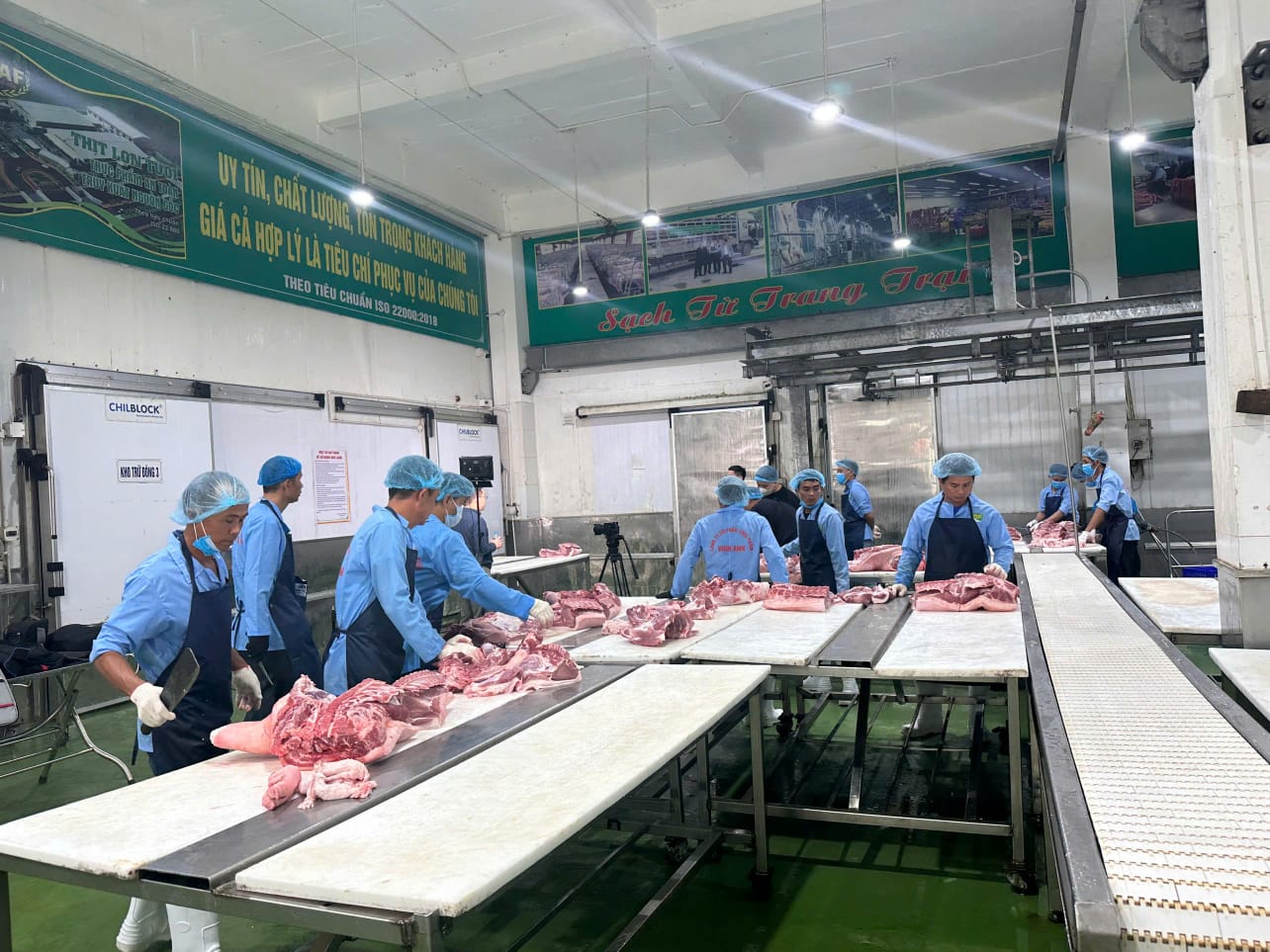
Growing Demand for Factory Workers
For a food manufacturing or meat processing factory, manpower directly affects productivity, production schedules, operational stability, and the ability to fulfill customer orders.
When a company expands its production line, increases capacity, or receives large new orders, the requirement for workers can rise significantly within a short period.
A factory may need dozens or even hundreds of employees for different production positions.
Commonly recruited positions include:
- Factory production workers
- Meat processing workers
- Meat cutters
- Butchers
- Meat deboning workers
- Meat trimming workers
- Meat portioning workers
- Food packaging workers
- Pork processing workers
- Beef processing workers
- Poultry processing workers
- Seafood processing workers
- Production line workers
- Cold storage workers
- Product sorting workers
- Food factory sanitation workers
For large-scale manufacturers, finding factory workers is not simply about recruiting enough people.
Workers must be suitable for the actual working environment, physically fit, disciplined, capable of working shifts, and able to adapt to industrial production procedures.
Therefore, a professional recruitment program should begin by clearly defining the requirements for each position before sourcing and screening candidates.
Finding Meat Processing Workers – What Skills Do Employers Need?
Finding experienced meat processing workers is a common recruitment requirement for food factories, industrial slaughterhouses, meat processing plants, frozen meat facilities, and food preparation centers.
Unlike general factory labor, several positions within the meat processing industry require practical experience and specific skills.
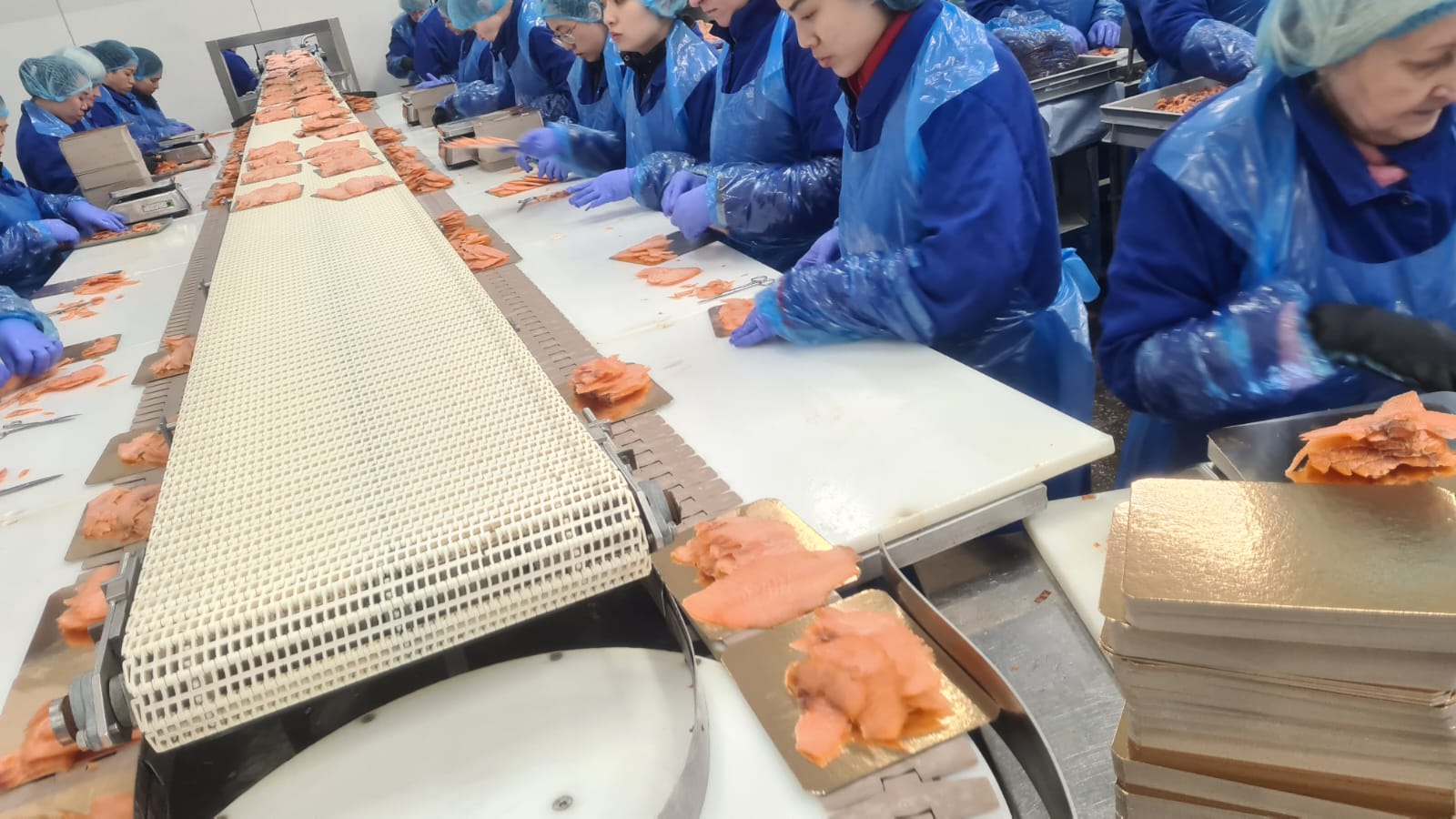
Meat Cutters and Meat Processing Workers
These workers use specialized knives and equipment to cut, trim, separate, and classify different parts of meat according to production requirements.
Workers may need to demonstrate the following abilities:
- Safe use of knives and cutting equipment
- Fast and accurate cutting techniques
- Minimizing product waste
- Identifying different meat cuts
- Working efficiently on a production line
- Following occupational safety procedures
- Following food hygiene requirements
Workers with previous experience in pork, beef, poultry, or seafood processing can be particularly valuable to factories requiring employees who can quickly adapt to production.
Meat Deboning Workers
Deboning requires a higher level of practical skill than general packaging work.
Workers must be able to separate meat from bones efficiently while maintaining a high meat recovery rate and stable working speed.
Their responsibilities may include:
- Removing bones from pork
- Deboning beef
- Removing bones from poultry
- Trimming excess fat
- Preparing meat according to production specifications
- Maintaining knife safety
- Reducing unnecessary meat loss
For employers recruiting large numbers of skilled workers, practical trade testing before final selection can help accurately evaluate each candidate’s capabilities.
Meat Cutting and Portioning Workers
After deboning and trimming, meat products may need to be divided into specific sizes, weights, or portions according to customer and production requirements.
Workers must follow production specifications carefully while maintaining consistent quality.
Depending on the factory, employees may work with:
- Pork
- Beef
- Chicken
- Lamb
- Processed meat
- Frozen meat products
Accuracy is particularly important because incorrect cutting or portioning can result in product loss and reduced production efficiency.
Food Packaging Workers
Packaging positions may not require the same level of technical experience as meat deboning or cutting, but workers still need to be careful, efficient, disciplined, and able to work in a factory environment.
Typical responsibilities include:
- Weighing products
- Sorting meat
- Placing products in trays
- Vacuum packaging
- Labeling
- Checking packaging quality
- Packing products into cartons
- Preparing products for cold storage
- Supporting production lines
These positions often require significant numbers of workers, especially in factories with large export volumes.
Finding Poultry Processing Workers
In addition to pork and beef processing, international employers also have a strong demand for poultry processing workers.
Chicken and poultry processing factories normally operate large production lines requiring substantial numbers of employees.
Common poultry processing positions include:
- Chicken cutting workers
- Poultry deboning workers
- Chicken portioning workers
- Chicken breast processing workers
- Chicken wing processing workers
- Chicken thigh processing workers
- Product sorting workers
- Packaging workers
- Production line workers
- Cold storage workers
- Quality inspection workers
One of the most important requirements for poultry processing workers is the ability to perform repetitive tasks quickly and accurately while keeping pace with the production line.
Workers should also be capable of working in temperature-controlled or cold environments and following strict hygiene standards.
Skills Required for Poultry Processing Workers
Depending on the job description, employers may look for candidates with skills in:
- Poultry cutting
- Chicken deboning
- Meat trimming
- Portioning
- Sorting
- Packaging
- Production line operations
- Food safety
- Workplace hygiene
Practical testing can also be arranged for positions that require experienced poultry processing workers.
Finding Skilled Workers for Meat and Food Processing Factories
Not every position in a meat processing facility is considered unskilled labor.
Many employers require a combination of general workers and skilled workers to operate an efficient production facility.
Skilled positions may include:
- Skilled meat cutters
- Butchers
- Meat deboning workers
- Meat trimming workers
- Industrial cutting machine operators
- Production line technicians
- Industrial electricians
- Mechanical maintenance workers
- Machine operators
- Cold storage workers
- Quality control workers
Therefore, when searching for skilled workers, employers should ask the manpower supplier to evaluate candidates’ experience and conduct practical trade tests whenever appropriate.
Pre-employment skills testing helps employers reduce recruitment risks and minimize training requirements after workers arrive at the factory.
Why Do Meat Processing Factories Have Difficulty Finding Workers?
Many factories continuously advertise vacancies but still struggle to recruit enough workers.
There are several reasons for this problem.
First, meat processing jobs frequently require shift work and may involve working in temperature-controlled or cold environments.
Second, many production jobs require employees to stand for long periods and perform repetitive tasks throughout their shifts.
Third, positions such as meat cutting and deboning require practical experience and cannot always be filled with inexperienced workers.
Fourth, large factories may need hundreds of workers within a relatively short recruitment period.
Local labor markets are not always capable of meeting this demand.
As a result, international recruitment and cooperation with overseas manpower suppliers may become practical alternatives for employers facing persistent labor shortages.
Vietnam – A Potential Source of Meat Processing Workers
Vietnam has a substantial workforce across manufacturing, agriculture, food production, seafood processing, and industrial production sectors.
Many Vietnamese workers are accustomed to factory environments and production-line operations.
Several characteristics make Vietnamese manpower worth considering for international recruitment.
Young Workforce
A relatively young labor force provides employers with a broad pool of candidates for jobs requiring physical fitness, adaptability, and stable long-term employment.
This can be important for meat and food factories where production jobs may be physically demanding.
Ability to Learn New Skills
Vietnamese workers can receive vocational preparation and skills testing before attending employer interviews.
For positions such as meat cutting, trimming, and deboning, employers can arrange practical examinations to identify candidates who best meet their requirements.
Workers who require additional preparation can also receive targeted training before deployment.
Experience in Industrial Manufacturing
Vietnam has a significant manufacturing base encompassing food processing, seafood processing, agricultural products, consumer goods, and industrial production.
This creates a pool of candidates with previous factory experience who may be suitable for overseas recruitment.
Adaptability to International Working Environments
Through pre-departure training in language, workplace culture, occupational safety, discipline, and local regulations, workers can be better prepared before beginning employment overseas.
This preparation can help reduce cultural misunderstandings and improve workforce integration.
Finding a Manpower Supplier – What Should Employers Consider?
When a company needs to recruit dozens or hundreds of workers, finding a reliable manpower supplier becomes an important part of the recruitment process.
A professional manpower company should do more than simply provide a list of candidates.
It should participate in sourcing, screening, trade testing, interviewing, training, documentation, and worker preparation.
Employers should evaluate manpower suppliers based on several criteria.
Large-Scale Recruitment Capacity
The recruitment agency should have a sufficiently broad sourcing network to identify the required number of candidates within a reasonable recruitment period.
This is particularly important for large factories requiring hundreds of workers.
Skills Testing Capability
For meat processing recruitment, practical testing can be one of the most effective ways to assess workers.
Employers may ask candidates to demonstrate:
- Meat cutting
- Deboning
- Trimming
- Knife handling
- Product sorting
- Production-line techniques
Through practical testing, employers can compare candidates objectively rather than relying solely on CVs or interview responses.
Training Facilities
A manpower supplier with training capabilities can better prepare workers before overseas deployment.
Training programs may include:
- Job orientation
- Factory discipline
- Occupational safety
- Food hygiene
- Destination-country culture
- Basic foreign language
- Workplace regulations
This preparation can help employees transition more successfully into their new working environment.
Transparent Documentation Procedures
When recruiting international workers, employers and manpower suppliers must coordinate employment documentation, contracts, visas, work permits, and other procedures required by the destination country’s laws.
A professional recruitment company should provide a clear process and coordinate these procedures with the employer.
Recruitment Process for Meat Processing Workers
A structured recruitment process may include the following stages.
Step 1: Employer Provides Recruitment Requirements
The employer should provide detailed information, including:
- Number of workers required
- Job positions
- Job descriptions
- Required experience
- Required skills
- Salary
- Working hours
- Overtime arrangements
- Contract duration
- Accommodation conditions
- Food or meal arrangements
- Other employment benefits
Clear requirements help manpower agencies identify suitable candidates more efficiently.
Step 2: Candidate Sourcing
The manpower supplier begins recruiting through recruitment networks, vocational training facilities, industry contacts, and databases of experienced workers.
Special sourcing campaigns may be organized for large orders.
Step 3: Candidate Screening
Applicants are evaluated according to:
- Work experience
- Physical condition
- Job suitability
- Employment history
- Motivation
- Ability to work in factory environments
Candidates who meet the employer’s basic requirements move to the next stage.
Step 4: Practical Skills Testing
Candidates applying for skilled positions such as meat cutting or deboning may complete practical trade tests.
Testing can be organized according to the employer’s requirements.
Step 5: Employer Interviews
International employers can visit Vietnam to interview candidates directly or conduct online interviews.
Employers may participate in both the interview and practical testing process.
Step 6: Pre-Departure Training
Selected workers may receive training covering:
- Factory regulations
- Occupational safety
- Workplace discipline
- Basic language
- Culture
- Food hygiene
- Employment responsibilities
Step 7: Documentation and Immigration Procedures
The employer and manpower agency coordinate the necessary recruitment and immigration documentation according to the laws of the destination country.
Step 8: Deployment
After all legal procedures are completed, workers travel to the destination country and begin employment according to their contracts.
Is Skills Testing Important When Recruiting Meat Processing Workers?
Yes.
For positions requiring experience, practical skills testing can significantly reduce recruitment risk.
For example, two candidates may both claim to have three years of meat processing experience, but their actual performance may be very different.
A practical test allows employers to assess:
- Knife handling technique
- Working speed
- Cutting accuracy
- Deboning ability
- Product yield
- Waste reduction
- Safety awareness
- Hygiene practices
- Ability to follow production procedures
Testing results can help employers classify candidates before making final hiring decisions.
Finding Workers Is Not Only About Filling Vacancies
A common mistake in high-volume recruitment is focusing only on the number of candidates.
An effective manpower program should balance quantity, quality, suitability, and workforce stability.
For each recruitment project, the manpower supplier should determine:
- Does the candidate understand the actual job?
- Is the candidate physically fit for the position?
- Does the candidate have relevant work experience?
- Can the candidate work in cold environments?
- Can the candidate work shifts?
- Can the candidate follow factory discipline?
- Is the candidate prepared to work for the full contract period?
- Does the candidate understand the employer’s expectations?
Careful screening at the beginning can help employers reduce turnover, repeated recruitment costs, and production disruptions.
Other Industries That Can Use a Similar Recruitment Model
The same manpower recruitment approach can be applied beyond meat processing.
Related industries include:
- Poultry processing
- Fish processing
- Seafood processing
- Food manufacturing
- Frozen food production
- Food packaging
- Warehousing
- Logistics
- Agriculture
- General manufacturing
- Mechanical industries
- Industrial production
This can be particularly beneficial for corporate groups operating several factories and requiring a regular supply of manpower.
Meat Processing Factory Worker Supply Solutions
For employers experiencing difficulties finding workers, cooperating with a manpower supplier in Vietnam can help expand access to potential candidates.
Depending on the employer’s requirements, recruitment programs can target different categories.
General Factory Workers
Suitable positions may include:
- Packaging
- Sorting
- Material handling
- Cleaning
- Production line support
- Warehouse assistance
Experienced Food Processing Workers
These candidates may have previous experience in:
- Meat factories
- Poultry factories
- Seafood processing plants
- Food production
- Frozen food factories
Skilled Meat Processing Workers
Employers can recruit experienced workers in areas such as:
- Meat cutting
- Deboning
- Trimming
- Butchering
- Portioning
Technical Workers
Food factories may also recruit:
- Industrial electricians
- Mechanical maintenance workers
- Production machine operators
- Production technicians
Dividing candidates according to occupational categories helps employers place the right workers in the right positions rather than applying the same recruitment standards to every employee.
Frequently Asked Questions About Finding Meat Processing Workers
I am looking for factory workers. Can I recruit workers from Vietnam?
Potentially, yes, depending on the immigration laws, work permit regulations, and foreign worker recruitment programs available in the destination country.
Employers should first determine the number of workers, positions, salary, employment conditions, and required qualifications so that the manpower supplier can evaluate the recruitment project.
How can I find experienced meat processing workers?
Employers should cooperate with a manpower supplier capable of sourcing candidates from the food processing sector and arranging practical trade tests before final selection.
Skills testing is particularly recommended for meat cutters, butchers, trimmers, and deboning workers.
Can I recruit poultry processing workers in large numbers?
Yes, recruitment programs can be organized for poultry workers in positions such as:
- Chicken cutting
- Deboning
- Portioning
- Sorting
- Packaging
- Production line work
Actual recruitment capacity depends on the employer’s requirements, required experience, recruitment schedule, and selection standards.
How can I find skilled workers for my factory?
The employer should provide detailed job descriptions and specific skill requirements.
The manpower supplier can then source, screen, test, and introduce candidates who match those requirements.
For skilled occupations, practical testing is strongly recommended.
What should I consider when choosing a manpower supplier?
Employers should evaluate:
- Legal recruitment capability
- Industry experience
- Recruitment capacity
- Candidate sourcing network
- Skills testing capability
- Training facilities
- Documentation procedures
- Pre-departure training
- Worker support capabilities
A professional manpower supplier should provide a transparent recruitment process from candidate sourcing through deployment.
Can employers interview workers before hiring them?
Yes.
Employers can conduct interviews online or visit Vietnam to participate directly in recruitment.
For skilled workers, interviews can be combined with practical tests.
How long does it take to recruit meat processing workers?
Recruitment time depends on several factors, including:
- Number of workers
- Required skills
- Experience requirements
- Destination country
- Visa and work permit procedures
- Employer selection process
Large-scale recruitment campaigns or orders involving highly skilled workers may require additional time for sourcing, testing, and training.
Can both male and female workers be recruited?
This depends on the nature of the work, applicable employment laws, and the employer’s legitimate job requirements.
Many packaging, sorting, food processing, and production positions can be suitable for a broad range of candidates, while physically demanding positions may require specific fitness standards based on the actual work involved.
Conclusion
The growing demand for factory workers, meat processing workers, poultry processing workers, and skilled labor is creating significant recruitment challenges for food manufacturers around the world.
Instead of focusing only on filling vacancies, employers should establish a structured recruitment process covering candidate sourcing, screening, practical skills testing, interviews, training, and documentation.
For factories experiencing labor shortages, Vietnam can be considered a potential manpower market thanks to its workforce experience in manufacturing, food processing, seafood processing, and industrial production.
A professional manpower supplier can act as a bridge between employers and workers, helping companies access suitable candidates, organize systematic recruitment, and develop a more stable workforce for long-term production requirements.
Please contact us for more details:
☎ Whatsapp: +84 961 951 555
🌐 Website: vietnammanpower.group
📩 Email: vietnammanpower18@gmail.com
We are happy to assist you!