


Temporary Worker Supply – An Effective Solution for Recruiting Agricultural Workers
Temporary Worker Supply – An Effective Solution for Recruiting Agricultural Workers
Agriculture is one of the industries with the most significant seasonal fluctuations in labor demand. During planting, crop maintenance, harvesting, or agricultural product packaging periods, farms and agricultural businesses may need to recruit dozens or even hundreds of additional workers within a very short period.
However, finding agricultural workers is not always easy. Agricultural jobs are often performed outdoors, require good physical health, involve flexible working hours, and depend heavily on weather conditions. At the same time, local workers are increasingly moving toward manufacturing, service-sector, and urban employment opportunities.
Therefore, temporary worker supply services have become a practical solution that helps farms, cooperatives, food-processing factories, and agricultural enterprises maintain an adequate labor force without having to employ an excessively large permanent workforce throughout the year.
What Is Temporary Worker Supply?
Temporary worker supply is a recruitment and workforce arrangement model in which workers are selected and assigned to work for a business for a specified period. The employment duration may range from several weeks or months to the end of a particular agricultural season, depending on production requirements and the labor regulations of each country.
In the agricultural sector, temporary workers are commonly recruited to perform tasks such as:
- Sowing seeds, planting crops, and maintaining plants.
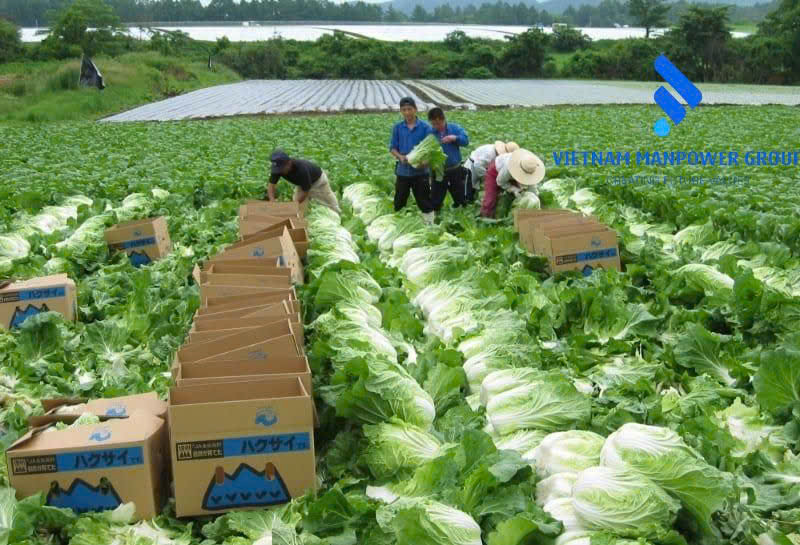
- Harvesting vegetables, fruit, root crops, and industrial crops.
- Working in greenhouses.
- Sorting and packaging agricultural products.
- Raising livestock and poultry.
- Milking and caring for dairy cattle.
- Cleaning barns and animal housing facilities.
- Operating basic agricultural equipment.
- Working in cold-storage facilities or preliminary processing factories.
- Assisting with the transportation of products after harvest.
This workforce model is particularly suitable for businesses that experience a sharp increase in labor demand during certain periods of the year but do not require the same number of workers on a long-term basis.
In Europe, seasonal employment is common in industries such as agriculture, tourism, and hospitality. The European Union’s legal framework also establishes conditions concerning the entry, residence, and employment rights of non-EU citizens who come to perform seasonal work.
Why Does the Agricultural Industry Often Face Worker Shortages?
Seasonal Nature of Agricultural Production
Agricultural products must be harvested within the appropriate time frame. If crops are collected too early or too late, their quality and commercial value may decline significantly.
During the harvest season, a farm may need to rapidly increase its workforce to complete a large volume of work within only a few weeks. If workers cannot be recruited on time, the business may face delayed production, crop losses, reduced product quality, and difficulties meeting delivery commitments.
Physically Demanding Work
Most agricultural jobs require workers to stand, bend, walk, lift, or carry products for extended periods. Certain positions may also involve working in hot, cold, rainy, humid, or otherwise challenging weather conditions.
Because of these requirements, not every candidate can adapt successfully to a farm-working environment.
Workplaces Located Far from Urban Areas
Farms are often located in rural or suburban areas where public transportation and daily services may be limited. This makes it more difficult for employers to attract local workers, particularly when accommodation or transportation is not provided.
Local Workers Moving to Other Industries
Urbanization and industrial development have encouraged many young workers to seek employment in factories, logistics centers, shopping centers, or the service sector.
As a result, many agricultural production areas must recruit workers from other regions or from overseas to meet seasonal labor requirements.
Rapidly Changing Workforce Demand
A large order, favorable weather conditions, or an unexpected increase in production can create an immediate need for additional workers.
Traditional internal recruitment processes may not be fast enough to respond to such sudden changes, especially when employers need hundreds of workers within a limited period.
Common Agricultural Worker Positions
Crop Farming Workers
Crop farming workers prepare land, sow seeds, plant crops, irrigate fields, apply fertilizer, remove weeds, and maintain plants throughout the growing period.
Candidates should have good health, be prepared to work outdoors, and be able to follow the technical instructions provided by farm supervisors.
Harvest Workers
Harvest workers represent one of the most in-demand labor groups during peak agricultural seasons.
They may participate in harvesting apples, grapes, strawberries, oranges, pears, tomatoes, peppers, potatoes, onions, leafy vegetables, and many other agricultural products.
Working speed, the ability to identify products that meet quality standards, and the proper use of harvesting tools are important requirements for these positions.
Greenhouse Workers
Greenhouse work commonly includes planting, tying branches, pruning leaves, checking for pests, harvesting products, and cleaning production areas.
Although greenhouse environments are less directly affected by rain and wind, they may have high temperatures and humidity. Workers must therefore receive proper instructions regarding occupational safety, hygiene, and greenhouse working procedures.
Livestock Farm Workers
Livestock workers are responsible for feeding animals, supplying water, cleaning barns, assisting with animal health inspections, and carrying out other tasks assigned by farm owners or supervisors.
Dairy farms, pig farms, poultry farms, sheep farms, and goat farms may recruit both temporary and long-term workers.
Sorting and Packaging Workers
After harvesting, agricultural products must be sorted according to size, weight, color, condition, and quality.
Workers then package the products, apply labels, arrange them in trays or cartons, and prepare them for delivery to supermarkets, distributors, or processing facilities.
These jobs require attention to detail, the ability to work efficiently on a production line, and strict compliance with food hygiene standards.
Cold-Storage Workers
Some agricultural products, meat products, and processed foods must be stored in low-temperature environments.
Workers employed in cold-storage facilities must be provided with appropriate protective clothing and reasonable rest periods to protect their health and safety.
Benefits of Temporary Worker Supply Services
Recruiting Enough Workers at the Right Time
The most important benefit of workforce supply services is helping businesses secure enough workers before the agricultural season begins.
A professional manpower supplier can build a candidate pool in advance, conduct preliminary screening, and prepare the necessary documentation.
When employers confirm their workforce requirements, suitable candidates can be introduced much faster than when the recruitment process begins from the first stage.
Reducing Pressure on Human Resources Departments
Recruiting hundreds of workers requires considerable time and resources for recruitment advertising, application processing, interviews, health examinations, experience verification, documentation, and worker orientation.
By cooperating with a professional manpower supply company, employers can transfer a substantial part of this workload to a specialized service provider and focus their internal resources on production and farm operations.
Flexible Workforce Based on Seasonal Requirements
Businesses can increase or reduce the number of workers according to actual production levels.
This model helps prevent worker shortages during peak periods and avoids maintaining an unnecessary surplus of employees after the agricultural season has ended.
Better Control of Labor Costs
Maintaining a large permanent workforce during periods of low production may create unnecessary expenses.
Temporary employment allows businesses to use labor only during the stages when additional manpower is genuinely required.
However, employers should calculate the complete cost of employment, including wages, overtime, insurance, transportation, accommodation, protective equipment, training, and recruitment costs, before establishing the final budget.
Access to Replacement Workers
When certain workers cannot meet job requirements, leave employment early, or become unable to continue working, the manpower supplier may provide replacement candidates according to the terms of the service agreement.
This replacement capability is particularly important for harvest seasons that last only a short time and cannot be postponed.
Criteria for Selecting Agricultural Workers
A large number of candidates does not necessarily guarantee that an employer’s requirements will be met.
The quality of candidate selection directly affects productivity, worker retention, workplace safety, and the overall success of the recruitment program.
Health and Physical Fitness
Candidates must be physically capable of working outdoors or in a farm environment.
Depending on the position, workers may need to walk long distances, stand for extended periods, bend repeatedly, or lift and carry agricultural products.
Health examinations should be conducted at qualified medical facilities and must meet the requirements of the destination country.
Practical Experience
Priority may be given to candidates who have worked in crop farming, livestock farming, harvesting, food packaging, agricultural processing, or similar environments.
For workers without previous experience, the manpower supplier should provide basic occupational training before assigning them to an employer.
Discipline and Responsibility
Agricultural production is usually organized in teams and according to daily schedules.
Workers must arrive on time, follow job assignments, comply with farm regulations, respect safety procedures, and avoid unauthorized absences.
Ability to Adapt
Candidates should receive clear information regarding climate, living conditions, working hours, farm location, and the nature of the job before signing an employment contract.
Transparent communication from the beginning helps reduce the risk of workers leaving their jobs after arriving at the workplace.
Basic Foreign-Language Skills
For international agricultural recruitment programs, workers should be trained in basic vocabulary and communication related to work, safety, health, emergencies, and daily life.
Team leaders or supervisors should have stronger foreign-language abilities so they can help communicate information between the employer and the workforce.
Professional Agricultural Worker Supply Process
Step 1: Receiving the Recruitment Request
The employer should provide complete information about the number of workers required, job positions, workplace location, employment duration, wages, normal working hours, overtime arrangements, and the date by which the workers are needed.
The more detailed the information is, the more accurate the recruitment and selection process will be.
Step 2: Job Analysis
The manpower supplier evaluates the physical demands of the job, working environment, weather conditions, required skills, productivity standards, and occupational safety risks.
This information is used to establish appropriate requirements regarding candidate age, health, experience, and technical ability.
Step 3: Candidate Sourcing
Candidates may be recruited from rural areas, vocational schools, training centers, recruitment partner networks, or the manpower company’s existing applicant database.
Recruitment activities must be transparent. Employers and recruitment agencies should not advertise inaccurate wages, misleading working conditions, or benefits that are not included in the actual contract.
Step 4: Preliminary Screening and Interviews
Candidates are assessed based on their documents, previous work experience, health, attitude, teamwork ability, and willingness to work away from home.
Foreign employers may conduct online interviews or travel to Vietnam to participate directly in candidate selection.
Step 5: Practical Skills Testing
Depending on the job requirements, candidates may complete practical tests involving agricultural product sorting, packaging, tool use, livestock care, greenhouse work, or other simulated farm tasks.
Practical testing allows employers to evaluate whether candidates can understand instructions and perform the work safely and efficiently.
Step 6: Pre-Employment Training
Training should cover working procedures, occupational safety, food hygiene, farm regulations, local culture, basic communication, and employee responsibilities.
Workers should also be informed about productivity expectations, attendance rules, accommodation conditions, and the process for reporting problems.
Step 7: Completing the Required Documents
For workers employed overseas, the process may include employment contracts, work permits, visas, insurance, health certificates, and other documents required by the destination country.
Each country has its own regulations. For example, non-EU workers entering Italy for seasonal employment generally need an appropriate work authorization and seasonal visa before arrival. Other European countries may also require fixed-term employment contracts and prior approval for the recruitment of foreign workers.
Step 8: Worker Management and Post-Placement Support
The manpower supplier should maintain regular communication with both the employer and the workers.
Support services may include interpretation, conflict resolution, documentation assistance, workplace monitoring, replacement recruitment, and coordination when unexpected issues arise.
Factors Affecting Agricultural Labor Supply Costs
The cost of recruiting agricultural workers should not be calculated solely on the basis of monthly wages.
Employers should consider the complete cost of the recruitment and employment program, including:
- Number of workers required.
- Employment duration.
- Workplace location and conditions.
- Experience or language requirements.
- Recruitment advertising and preliminary screening.
- Health examinations.
- Skills training and pre-departure orientation.
- Legal documentation, permits, and visa processing.
- Airfare or other transportation expenses.
- Accommodation, meals, and worker transportation.
- Uniforms, tools, and personal protective equipment.
- Employment insurance.
- Worker management and on-site support.
- Replacement arrangements for unsuitable workers.
Businesses should request a transparent quotation that clearly states which expenses are paid by the employer, which expenses are the responsibility of the manpower supplier, and which expenses workers may legally be required to pay.
Common Risks When Recruiting Agricultural Workers
Failure to Recruit the Required Number of Workers
This problem may occur when recruitment begins too late, job requirements are unclear, or wages and benefits are not competitive.
To reduce this risk, employers should prepare their workforce plans well before the agricultural season and recruit a reasonable number of reserve candidates.
Seasonal workers are often recruited several months before the actual work begins, particularly when international recruitment, visas, and work permits are involved.
High Worker Turnover
Workers may leave their jobs when the actual working conditions differ from the recruitment information, accommodation is unsuitable, or income does not meet their expectations.
Employment contracts and job descriptions should clearly state wages, working hours, productivity standards, accommodation, living expenses, deductions, and contract termination conditions.
Productivity Below Expectations
Workers without previous agricultural experience may require additional time to adapt to the job.
Employers should provide initial training, appoint experienced supervisors or team leaders, and establish realistic productivity standards for each stage of the employment period.
Occupational Safety Violations
Agricultural work may involve risks related to machinery, chemicals, livestock, high temperatures, cold-storage environments, slippery surfaces, repetitive movements, and manual handling.
Employers must assess workplace risks, provide appropriate protective equipment, offer safety instructions in a language workers can understand, and regularly monitor compliance.
Recruitment Through Unlicensed Intermediaries
Unlicensed individuals or organizations may provide false information, charge unauthorized fees, or recruit workers for jobs that do not actually exist.
Employers should verify the manpower supplier’s license, legal status, recruitment contracts, past experience, and ability to manage workers before entering into a partnership.
Ensuring Fair and Transparent Recruitment
A sustainable temporary worker supply program should focus not only on the number of workers recruited but also on protecting employees’ rights.
According to the International Labour Organization’s principles of fair recruitment, workers and job seekers should not be required to directly or indirectly bear recruitment fees and related costs.
Employment conditions should also be explained clearly before workers accept the job.
Employers and manpower suppliers should agree on the following matters:
- Job title and work location.
- Wage level and wage calculation method.
- Normal working hours.
- Overtime payments.
- Rest days and break periods.
- Accommodation and meal arrangements.
- Transportation costs.
- Insurance and medical care.
- Personal protective equipment.
- Complaint and grievance procedures.
- Conditions for contract extension or termination.
- Responsibility for returning workers to their home country.
Legal seasonal workers should receive the workplace protections and equal treatment required under the laws of the destination country.
Advantages of Vietnamese Agricultural Workers
Vietnam has extensive agricultural, livestock, aquaculture, food-processing, and agricultural product packaging industries.
As a result, manpower suppliers can recruit candidates who are already familiar with farm work, food-processing environments, or seasonal harvesting activities.
Potential worker groups include:
- Workers with experience on vegetable, flower, and fruit farms.
- Workers experienced in cattle, pig, chicken, and poultry farming.
- Seasonal harvest workers.
- Food-processing, sorting, and packaging workers.
- General workers with good health and a willingness to receive training.
- Team leaders with workforce management experience.
- Young rural workers seeking fixed-term overseas employment.
However, successful recruitment requires suitable candidate selection, proper health examinations, skills training, and honest information regarding working and living conditions.
Agricultural workers should not be treated as a workforce that requires no training.
Even general agricultural positions require knowledge of workplace safety, hygiene, product quality, equipment use, and the operating procedures of each individual farm.
How to Choose a Reliable Temporary Worker Supply Company
Employers should evaluate manpower suppliers based on their actual capacity rather than comparing only service fees.
A reliable workforce supplier should have:
- Appropriate legal status and operating licenses.
- Experience recruiting large numbers of workers.
- A recruitment network covering multiple regions.
- Training facilities or qualified training partners.
- A transparent health-screening process.
- The ability to provide skills and language training.
- Clear and legally compliant contracts.
- A specific recruitment and deployment schedule.
- A worker replacement mechanism.
- A management and post-placement support department.
- The ability to coordinate legal and immigration procedures.
- Policies designed to protect workers’ rights.
Before signing an agreement, employers should ask the supplier to provide a recruitment plan, training schedule, selection criteria, contract templates, and a clear workforce management plan.
Frequently Asked Questions About Agricultural Worker Supply
How Early Should Employers Begin Recruiting Before the Agricultural Season?
Employers should begin planning as early as possible.
Domestic recruitment may require less preparation time. International recruitment requires additional time for candidate selection, training, work permits, visas, medical checks, and travel arrangements.
Can a Supplier Recruit Between 50 and 500 Workers for One Order?
Yes. However, the ability to complete a large recruitment order depends on the preparation period, job requirements, wages, destination country, and the manpower supplier’s capacity.
Large orders should be divided into several recruitment and deployment stages to maintain worker quality.
Do Agricultural Workers Need Previous Experience?
Not every position requires previous experience.
Specialized jobs such as agricultural machinery operation, livestock care, chemical handling, or dairy farming generally require practical experience.
Harvesting, sorting, and packaging positions may accept general workers, but appropriate training should still be provided.
How Long Is an Agricultural Employment Contract?
The employment period may range from several weeks to several months or longer, depending on the agricultural season and the regulations of the destination country.
The contract should clearly state the starting date, ending date, probation conditions, and any possibilities for extension.
Who Is Responsible for Providing Accommodation?
The responsibility for accommodation must be stated clearly in the employment and manpower supply agreements.
In many international agricultural employment programs, the employer provides accommodation or assists workers in finding suitable housing near the workplace.
Can Unsuitable Workers Be Replaced?
Worker replacement depends on the manpower supply agreement, the reason for the employee’s departure, and the immigration regulations of the destination country.
Replacement terms should be agreed upon before the contract is signed.
What Information Must an Employer Provide to Receive a Quotation?
The employer should provide information about the required number of workers, job positions, contract duration, workplace location, wage level, working hours, experience requirements, accommodation, the required deployment date, and the allocation of recruitment-related expenses.
Conclusion
Temporary worker supply services are an effective solution for farms and agricultural businesses experiencing labor shortages during peak production periods.
A successful agricultural recruitment program must be based on accurate workforce forecasting, appropriate candidate selection, pre-employment training, proper legal documentation, and continuous post-placement support.
Instead of waiting until the harvest season begins to search for workers, businesses should cooperate with a professional manpower supplier in advance.
Early preparation not only helps employers recruit the required number of workers but also improves productivity, reduces employee turnover, and minimizes the risk of production interruptions.
With a well-organized candidate pool in Vietnam, employers can recruit suitable workers for crop farming, harvesting, livestock farming, greenhouse operations, agricultural product sorting, and food packaging.
The most important factor is choosing a licensed and experienced manpower supplier with transparent recruitment procedures and the ability to manage and support workers throughout the entire employment contract.
Please contact us for more details:
☎ Whatsapp: +84 982 0303 66
🌐 Website: vietnammanpower.group
📩 Email: vietnammanpower18@gmail.com
We are happy to assist you!